


4th September 2026
Knowing how to prevent mould in your home can not only stop structural damage, but it can also deter the negative impact it has on your physical health. This is why it is important to do everything you can to stop it from developing in the first place. Mould prevention is easy when you understand how to properly insulate, weatherproof, and ventilate your home. This will also save you the task of getting rid of recurring or black mould further down the line. This guide will equip you with everything you need to know to ensure a mould-free home.
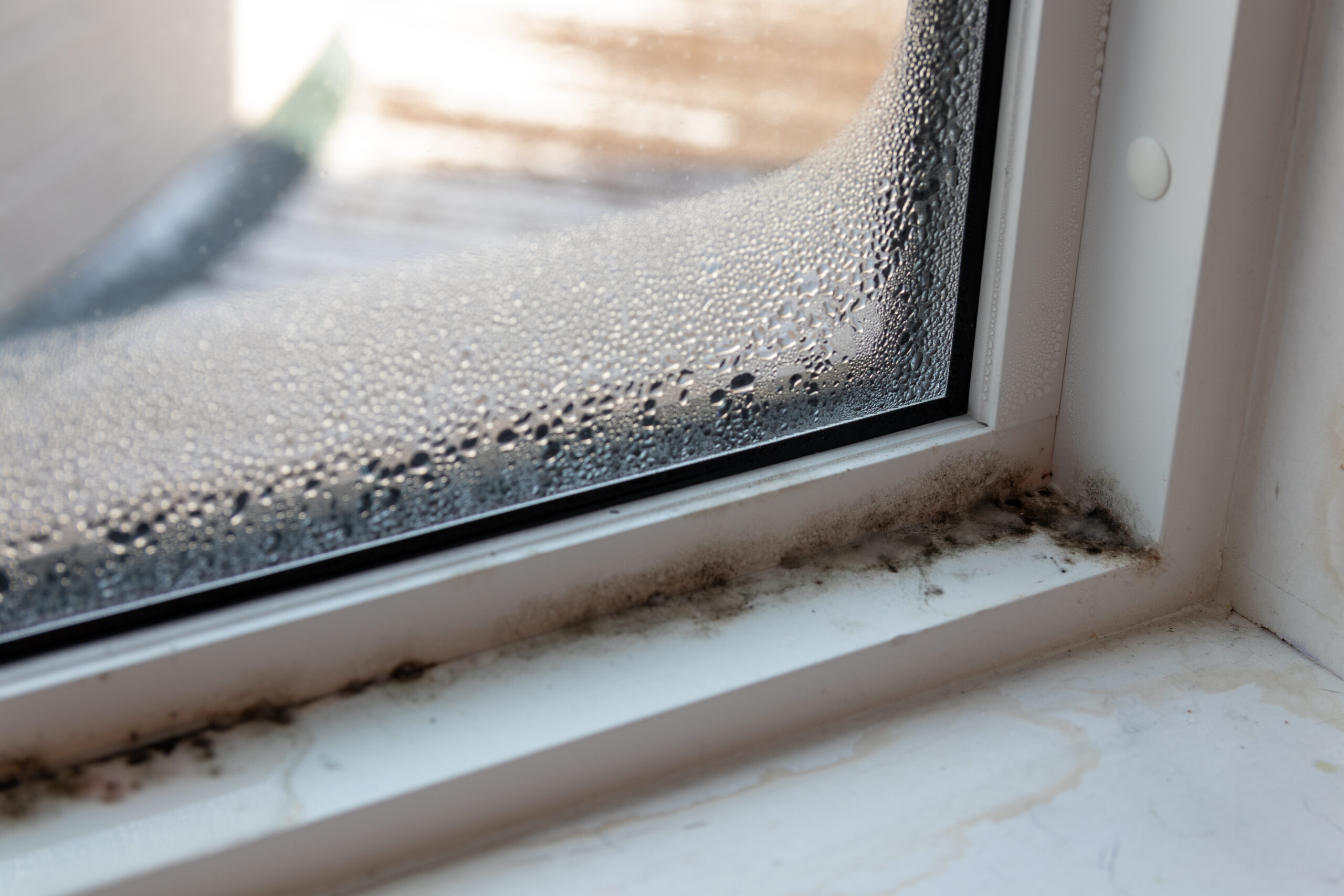
Table of contents
- What causes mould indoors?
- Why insulation helps to prevent mould
- How to properly ventilate your home
- How to weatherproof your property against damp
- Replacing damaged or outdated external doors
- Regular cleaning
- Signs of mould: what to look out for
- Final thoughts
What causes mould indoors?
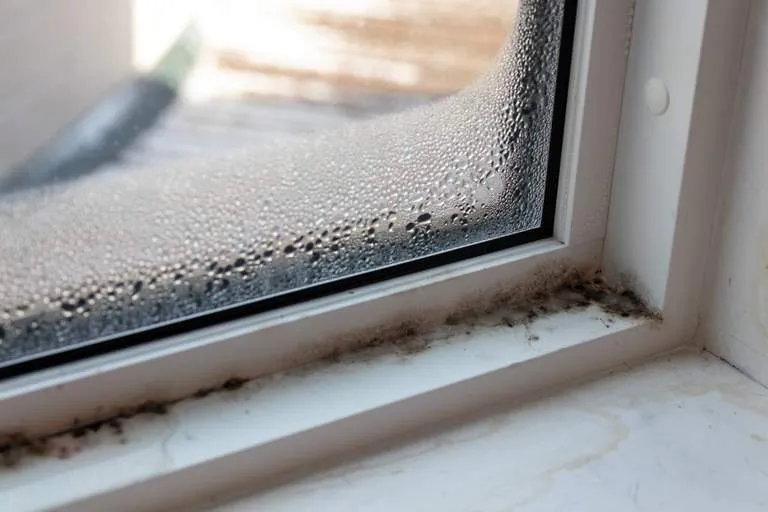
The main cause of mould inside your home is condensation. Condensation happens when warm air hits a cold surface, causing excess moisture. When this moisture becomes trapped and unable to evaporate, it can lead to mould. Mould is a type of fungus that thrives in damp, warm environments, and can be extremely toxic to both your property and your health. Good insulation, weatherproofing, and ventilation all work together to prevent mould from growing. Below is a list of things we do day-to-day that could potentially lead to a buildup of mould.
- Drying clothes inside (especially without opening windows)
- Showering, bathing, and cooking without ventilation, trickle vents, or extractor fans
- Keeping windows open constantly, creating cold rooms
- Lack of proper insulation
- Insufficient sealing leading to damp inside
Why insulation helps to prevent mould
Insulation’s main purpose is to slow down heat transfer inside a building. In other words, it prevents warm air escaping and cold air entering during the cooler months. Some types of insulation are designed to limit the amount of moisture they absorb, which in turn can prevent mould from growing.

PIR insulation board is particularly good at just that. PIR boards such as Recticel have limited moisture absorption, meaning they don’t soak up water particles found in the air. This is because they use something called a closed-cell foam structure, which traps an abundance of tiny air pockets. These pockets are individual microscopic cells, which once closed with air or gas, cannot let water in. By keeping ceilings, walls, floors, and roofs dry, mould growth is prevented from penetrating the structural elements of your property. This could include wood rot, peeling paint, and drywall decay – all things you’d certainly want to avoid as they can be expensive to repair and replace.
That being said, insulation is only one part of mould prevention. It is essential that you also weatherproof and ventilate your home correctly to keep mould at bay indefinitely.
How to properly ventilate your home
Without ventilation, moisture and condensation can sit on walls and other surfaces, creating a damp environment for mould and mildew to grow. So whilst your insulation may be preventing mould penetration, it doesn’t keep your building completely free of it. This is where ventilation comes in, as it creates an opening for this moisture to escape.
Ventilation is especially needed when water particles are more present in the air. Examples of this are when you’re drying laundry, taking a bath or shower, or cooking food on a stove. The table below demonstrates the best ventilation techniques for each.
| Activity | Do | Don't |
| Drying laundry | Dry wet clothes and bedding outside if you can. If you must dry them inside, keep them in one room, preferably on a heated airer with a window or trickle vent open, and the door closed. Investing in a dehumidifier will also significantly help. | Don't dry laundry on radiators or spread it out throughout the house. Do not cover vents or keep windows closed. |
| Cooking on a kitchen stove | Use pan lids where you can. Do turn on the extractor fan and open a window or vent where possible. Close the kitchen door to prevent steam travelling throughout your home. | Don't turn off the extractor fan or close windows immediately after cooking. Moisture can still hang in the air so wait a while before doing so. Don't take lids off of pans when it's not necessary to. |
| Bathing and showering | Do turn on the extractor fan and open a window if it is safe to do so. Keep the bathroom or en suite door closed, and keep windows open and fans on for a while after. Wipe down wet surfaces such as tiles and shower screens as an extra measure. | Do not keep windows closed and fans off. Do not cover any vents. Avoid very long, hot showers or baths as these produce more moisture. |
How to weatherproof your property against damp
Although many of us associate mould and mildew growth with warm environments, it is possible for it to develop in cold, draughty buildings.
When cold air gets in through unintentional gaps and cracks, the airflow becomes unregulated. This means that a significant amount of cold air entering through one specific spot, particularly if it is behind furniture, causes that area to dramatically drop in temperature, attracting condensation to the cold surface around it. With the surface constantly coated with moisture as cold bursts enter the home, mould and mildew continue to thrive. This is where the proper weather proofing is necessary, as it decreases the number of cold spots in your property.
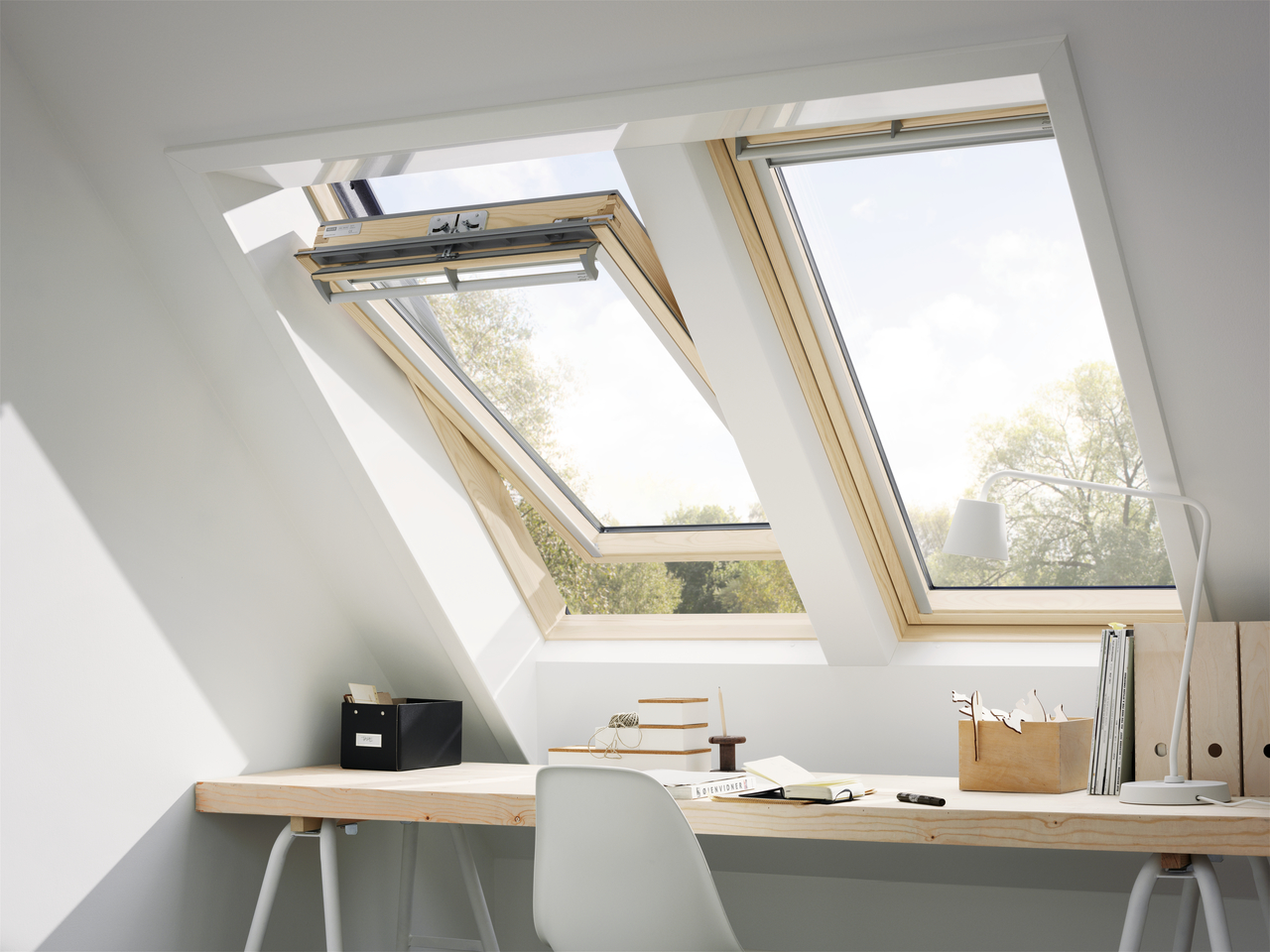
One way you can do this is by upgrading your windows to either double or triple glazing. Not only do these contain dense gases that slow down heat transfer, but their multiple glass layers keep the inner pane warm and free of condensation.
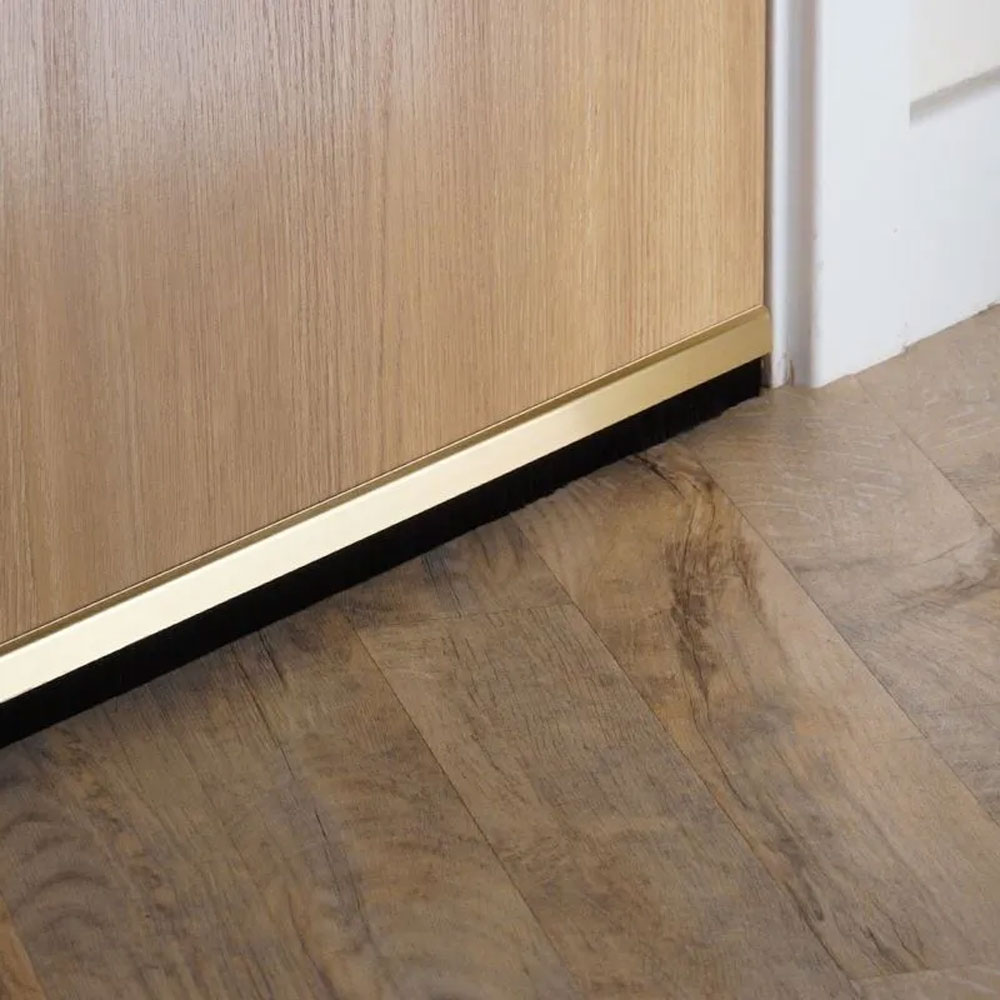
Another way you can keep draughts at bay is by properly sealing external doors. This is a relatively cheap and easy alternative to replacing your front or back doors entirely. If you notice a draught or a gap coming from underneath your front door, it is worth investing in a draught excluder. Brush strips keep cold air at bay from irregular points at entryways while still allowing the door to open and close smoothly. Rubber or foam seals completely close up any tiny gaps that you don’t even realise are creating cold spots in the first place. These can be used around both doors and windows.
Wet weather can also cause mould and mildew buildup. If your doors aren’t properly sealed, they can be letting moisture directly into your property. Like draught excluders, rain deflectors fit at the bottom of the door and guide rainwater away from entering underneath.
Another type of external door you may be forgetting is your garage door, especially if it is attached directly to your home. There are specialist seals and weather strips available for these due to their size and structure.
Replacing damaged or outdated external doors
If you really want to protect your home from the elements, replace your front or back doors entirely, particularly if they are over 30 years old, or have visible signs of wear and tear. Modern engineering also means that brand new doors have technology that older ones don’t. For example, many front doors nowadays are manufactured with energy efficient cores, built-in draught proofing, and glazing and coatings with excellent thermal performance.
When it comes to patio doors, sliding aluminium doors are fast becoming a ‘buy once’ investment, thanks to their incredible durability against wind and rain, as well as their enhanced security. Replacing your doors will give you ultimate peace of mind when it comes to preventing mould and mildew forming near entryways.
Regular cleaning
Even with all of the upgrades discussed in this article, moisture buildup isn’t completely unavoidable. This is why you should take additional measures to ensure mould and mildew are kept at bay. As long as you have the correct insulation, are ventilating your property, and have sealed as many cracks and gaps as possible, simple daily cleaning should be enough to maintain a mould-free haven.
Local supermarkets stock sprays and chemical detergents which are deliberately designed to target mould and deter it from growing. Even if you have already noticed any black spots starting to develop, simply spray and wipe the area, making sure to wear gloves. It is also important to ventilate the room so that the chemical smells do not linger, and the patches can dry out. Spraying and wiping dry after bathing and showering is also a good daily habit to prevent mould from developing.
Signs of mould: what to look out for
If you’re worried you may be experiencing mould and damp, use the following checklist:
- Black or green spots on walls and ceilings
- Yellowing or browning of surfaces
- Black patches on grout or around shower screen seals
- Softened or ‘spongey’ drywall
- Peeling wallpaper
- Damp patches on walls or ceilings
- Extensive dust build up
- Stale odour
Some signs may be harder to detect. These can include effects on your physical health, such as:
- A constant dry cough or sore throat when you wake up, that won’t go away
- Feeling constantly congested
- Brain fog, fatigue, loss of concentration, or forgetfulness without explanation
If you are experiencing any of these symptoms, it is important to consult with your Doctor immediately, as you could be experiencing an underlying health issue that is not linked to mould or airborne micro toxins. If you are worried about mould in your property, consult a professional for help and advice on how to safely remove it.
Final thoughts
Mould thrives in environments that are humid, damp, have specific cold spots, are prone to condensation, and have a lack of regulated ventilation. Therefore, making sure you:
- Have the correct insulation
- Ventilate your property adequately
- Seal cracks and gaps
- Upgrade old, worn external doors
- Clean regularly
Will keep mould and mildew at bay, and the benefits of mould prevention go far beyond maintaining your property. It prevents warping and rotting of your building’s internal structure, improves health and wellbeing, saves you money (and stress) on major damage and bills, and can even improve your EPC rating for an energy efficient home. With no downsides, mould prevention might just be the autumn equivalent of the classic Spring clean!