


Manufacturers produce loft insulation from a wide range of materials. When choosing the best loft insulation material for your project, you should consider price, effectiveness, application, and sustainability.
Loft insulation can look a bit strange, and the material may seem unfamiliar. This is why many people wonder, ‘What is loft insulation made of?’ INSULATION SUPERSTORE breaks down exactly that in this guide. In short, it can be made of:
- PIR board
- Phenolic foam
- Glass fibre, also known as glass wool
- Sheep’s wool
- Stone wool
- Hemp
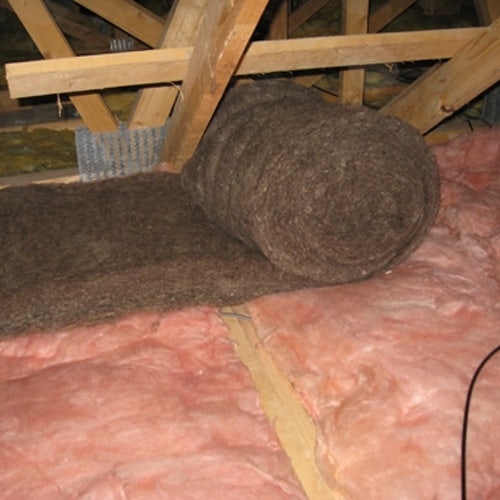
- Recycled polyester
- Foil
- Wood fibre
Loft insulation can include the floor area of a loft as well as the roof itself.
The good news is that there are plenty of options to choose from! Let’s take a closer look.
Table of contents:
- What is loft insulation?
- What is loft insulation made of?
- How should you choose the right material for your loft insulation?
- Final thoughts
What is loft insulation?
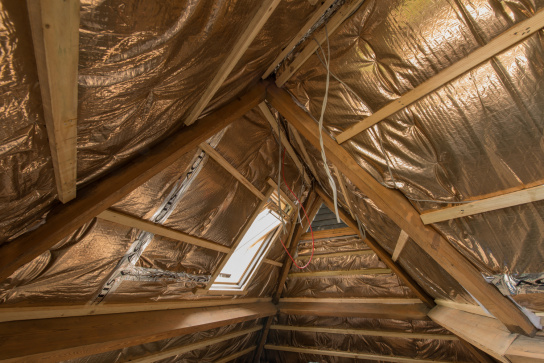
Loft insulation is a material installed in the space between the ceiling of the top floor and the roof of a building, commonly known as the loft or attic. It serves to reduce heat loss from the living space below, thus improving energy efficiency and helping to maintain a comfortable temperature inside the building.
Manufacturers make loft insulation from various materials such as fibreglass, mineral wool, cellulose, or foam boards, and they typically install it in the form of rolls, batts, or loose-fill insulation.
But what makes each material stand out?
That’s what we’re going to find out next.
What is loft insulation made of?
PIR board
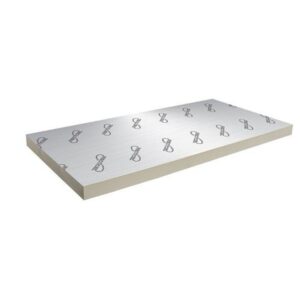
PIR (Polyisocyanurate) board insulation is a type of rigid foam insulation known for its excellent thermal performance and high resistance to heat transfer. It consists of a foam core sandwiched between two foil facings, providing both insulation and a vapour barrier in one product. PIR board insulation is lightweight and easy to handle, making it ideal for insulating lofts.
Phenolic foam
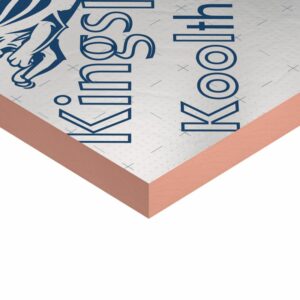
Phenolic foam insulation is a type of rigid foam insulation renowned for its excellent thermal performance and fire resistance. It is composed of phenolic resin, a type of synthetic polymer, and a blowing agent that creates a closed-cell structure, providing exceptional insulation properties. Phenolic foam insulation is lightweight, durable and offers high moisture resistance, making it suitable for use in lofts.
Glass fibre
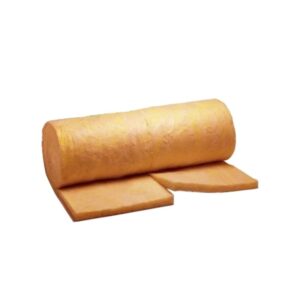
Manufacturers make glass fibre insulation, also known as fibreglass insulation, from fine glass fibres, and installers commonly use it as a thermal insulating material. It comes in batts, rolls, or loose-fill forms and offers a lightweight, flexible solution. Installers often fit glass fibre insulation between rafters or joists in lofts to provide effective thermal insulation, reducing heat loss and improving energy efficiency in buildings.
Sheep’s Wool
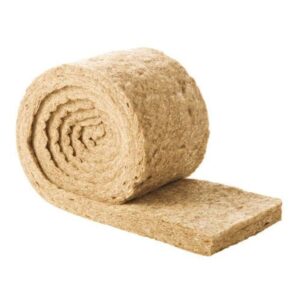
Sheep’s wool insulation is a natural and sustainable insulation material made from the fleece of sheep. It offers excellent thermal insulation properties, helping to regulate indoor temperatures and reduce heat loss in buildings. Installers often use sheep’s wool insulation in lofts, placing it between rafters or joists to form a continuous layer of insulation.
Hemp
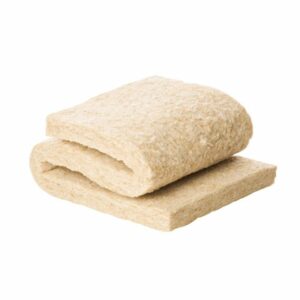
Hemp insulation is a natural, eco-friendly insulation material made from the fibres of the hemp plant. It offers excellent thermal insulation properties, helping to keep buildings warm in winter and cool in summer. Manufacturers typically supply hemp insulation in batts or rolls, and installers place it between rafters or joists in lofts or attics to create an effective barrier against heat loss.
Recycled polyester
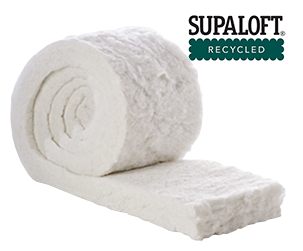
Recycled polyester insulation, an eco-friendly material, is made from recycled PET plastic bottles or other polyester waste. It offers effective thermal insulation properties, helping to minimise heat loss and improve energy efficiency in buildings. Manufacturers typically supply recycled polyester insulation in batts or rolls, and installers fit it between rafters or joists in lofts to create a continuous layer of insulation.
Foil-based
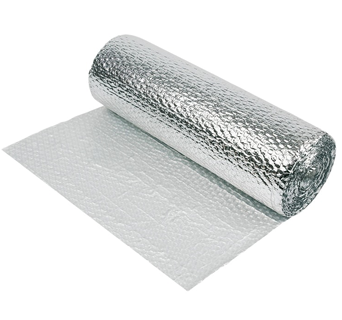
Foil-based insulation is a type of insulation material that incorporates a layer of reflective foil. This foil layer reflects radiant heat, helping to prevent heat transfer and maintain comfortable temperatures inside buildings. Installers often use foil-based insulation in lofts to supplement other insulation materials, providing an additional barrier against heat loss and enhancing energy efficiency.
Stone wool
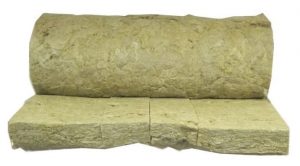
Manufacturers make stone wool insulation, also known as mineral wool insulation, from natural rock materials such as basalt or diabase. It offers excellent thermal insulation properties, helping to regulate indoor temperatures and reduce heat loss in buildings. Manufacturers typically supply stone wool insulation in batts or rolls, and installers place it between rafters or joists in lofts or attics to create an effective barrier against heat transfer.
Wood fibre
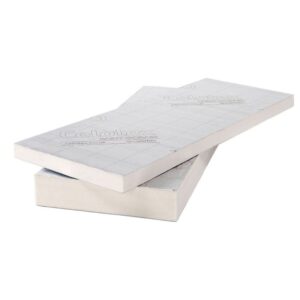
Wood fibre insulation is a natural and sustainable insulation material made from shredded wood fibres, typically derived from recycled wood or sustainably managed forests. It offers excellent thermal insulation properties, helping to regulate indoor temperatures and reduce heat loss in buildings. Wood fibre insulation comes in batts, boards or loose-fill forms
How should you choose the right material for your loft insulation?
From traditional glass wool to sustainable, renewable wood fibre insulation, each material and makeup of loft insulation has different benefits.
Here’s the scoop:
Mineral wool insulation, such as glass fibre and stone wool, provides excellent thermal performance, fire resistance and soundproofing properties but may irritate the skin during installation and can settle over time.
On the other hand, natural materials like sheep’s wool, hemp and wood fibre offer sustainable options with good thermal performance and moisture regulation, yet they can be more expensive and may require careful sourcing.
Then, recycled polyester insulation offers an eco-friendly solution utilising recycled materials, but its effectiveness may vary depending on the manufacturing process.
Next:
Foil-based insulation provides reflective properties to reduce radiant heat transfer. However, it may require proper installation to maximise effectiveness. It can also be less effective in colder climates.
Finally, PIR and phenolic foam insulation offer high thermal efficiency and moisture resistance. Despite this, they may be more expensive and have environmental concerns due to their petroleum-based origins.
At the end of the day, choosing the right loft insulation material depends on factors such as budget, environmental concerns, performance requirements and ease of installation.
The good news is:
Now that you know the answer to the question of ‘what is loft insulation made of’, you are in the best possible place to make the right choice for your specific needs.
To find out more about loft insulation, check out our Loft insulation buyer’s guide.

Was this guide useful?
Mentioned in this product guide: