

Insulating a home can be done in many ways. The first step is to decide which method of insulation suits your home the best. It’s important to select the type of insulation product that will help you achieve the best results. You’ll need to consider cost-effectiveness, insulation efficiency, and how it will affect the look of the building.
Insulating external walls, for example, will change the exterior of a property. This is because the insulation needs to be rendered to protect it from the weather. Internal wall insulation will change the style and the decoration of internal walls if the walls behind are solid. Or, you might just choose to use something like insulated plasterboard on cavity walls.
INSULATION SUPERSTORE has put together this guide on the best ways to insulate your walls.

Table of contents:
External Wall Insulation
Insulating a wall externally has its fair share of benefits. Not only do you get the benefits of most of or all the work taking place outside your home, but you also get the benefit of not having to remove wall fixtures and fittings such as radiators and you won’t need to worry about the décor in the room being affected either. External wall insulation surrounds the property in a thermal envelope, allowing the mass of the internal walls to act as a thermal store, contributing to a more energy-efficient and thoroughly insulated household.
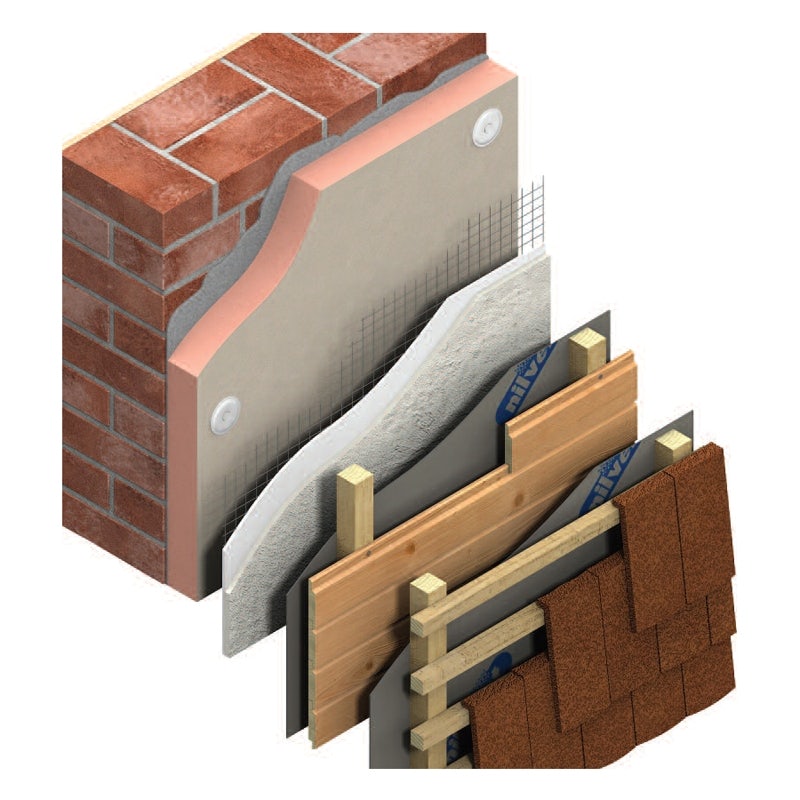
Detailing around doors and windows, however, remains important to discourage thermal bridging and ensure that the insulation performs at its best. Insulating a wall externally can be somewhat costly as once the installation is glued or fixed onto the walls, the entire property will need to be rendered to cover the insulation for weatherproofing and for overall aesthetics. A benefit of this, however, is that if you’re looking to change the outside appearance of a home anyway then you’re getting twice the renovation work for your investment.
Internal Wall Insulation
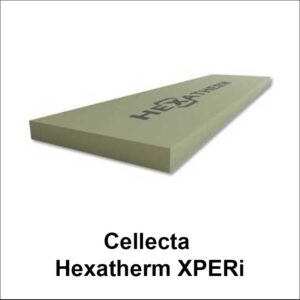
Insulating a wall internally first needs to take into consideration whether the wall is a cavity wall or a solid wall. A professional must inspect cavity walls, typically by making a small incision and inserting a camera into the cavity, to determine whether they are suitable for insulation. If they are, you can insulate them without significantly affecting the property’s floor plan.
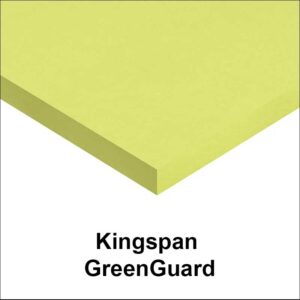
Solid walls, however, must be faced with an insulation product, so they can often eat into floor space depending on the thickness of the insulation as an air gap is needed to prevent condensation and moisture build-up. Insulation with a moisture barrier means you don’t need to leave an air gap during installation. This can be achieved with several specialist products or with natural insulation, which is inherently moisture-wicking. When it comes to internal wall insulation thickness, the most common range is 50mm-100mm. However, some walls may vary outside of this range.
Internal Cavity Wall Insulation
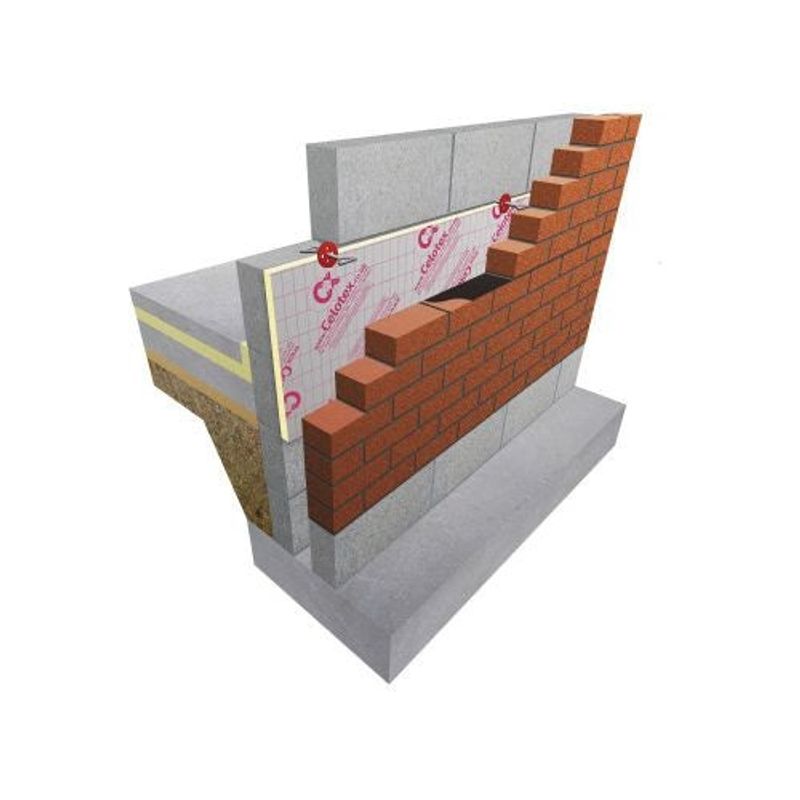
As mentioned above, cavity walls need to be inspected before they can be insulated because if cavities are in poor condition it’s not advisable to insulate them this way. For example, if the brickwork is messy or there is mortar that has dripped to the bottom of the cavity, it’s best to avoid cavity wall insulation and try a solid wall or external wall approach.
But that’s not all:
You must also be cautious of any timber or steel frame construction as part of the property. In this case, the cavity allows moisture to escape. Filling it with cavity wall insulation can create problems, including wet wall insulation, which is notoriously dangerous and can cause damp throughout the structure.
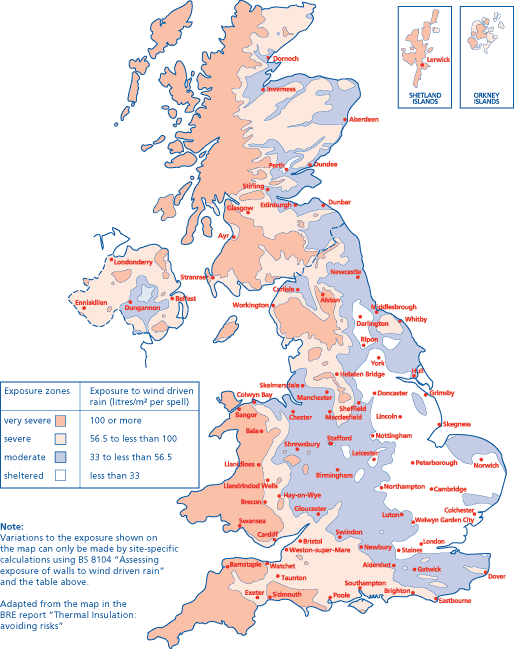
Another element of cavity wall insulation to be cautious of is any wall that’s facing the direction of driving rain. The map below, as provided by the NHBC, shows areas exposed to driving rain across the UK. Areas that are designated as ‘severe’ and ‘very severe’ must be extremely cautious in installing cavity wall insulation as the risk of rain penetrating brickwork and causing damp is higher.
Internal Solid Wall Insulation
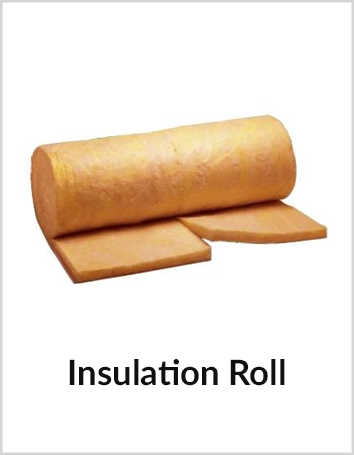
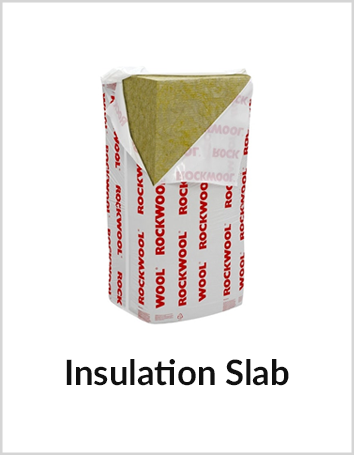
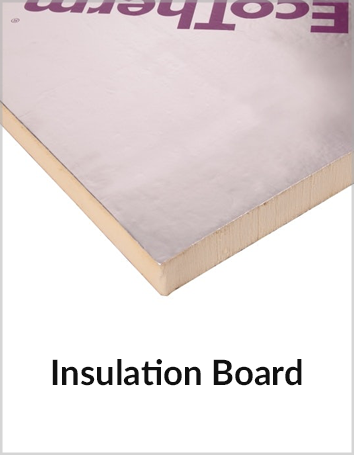
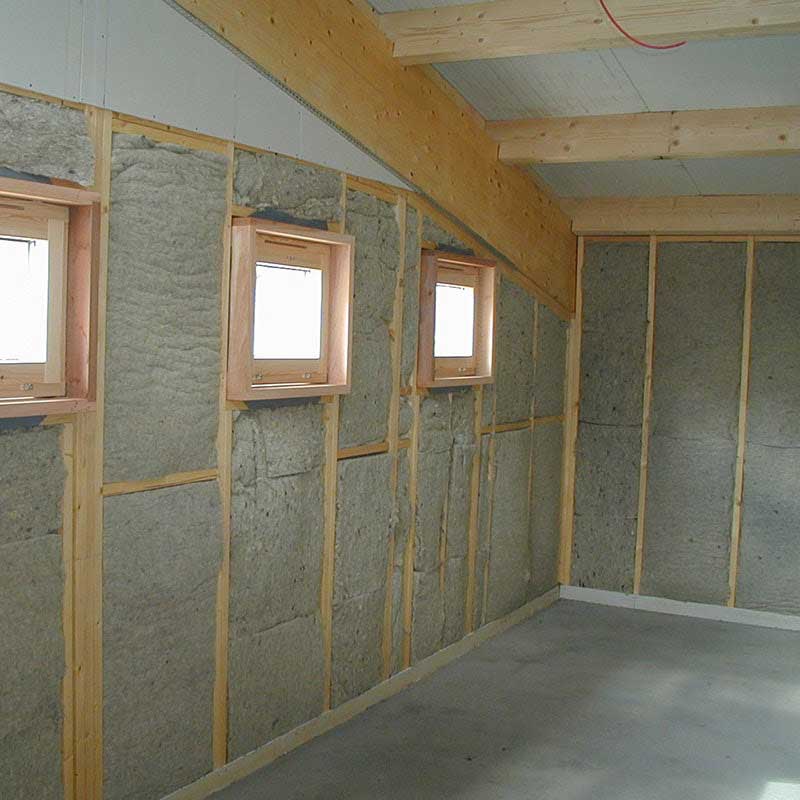
Properties built before the 1920s are more likely than not to have thick solid walls. When made from stone these walls can be up to 50cm thick so people often think that insulating them is not a possibility. Insulating solid walls can be done through various methods, the most common of which is to erect a stud wall on existing internal walls and insulate that with an insulation roll, insulation slab, or rigid insulation board. Another technique for insulating a solid wall is to install a stud wall of insulated plasterboard.
After you remove wall fittings like radiators, you can quickly erect plasterboard and decorate over it without using wet plaster. This approach also benefits the thinness of the construction, as it reduces the floor space taken up by leaving air gaps between walls and standard insulation.
Choosing the Right Materials for Insulating A Wall
As previously covered, different types of walls need different types of insulation to be effectively and efficiently insulated. Insulating a wall with the wrong type of insulation can be a costly mistake as you could invite damp problems, structural problems and even fire hazards into your home.
Insulating a wall with insulation roll
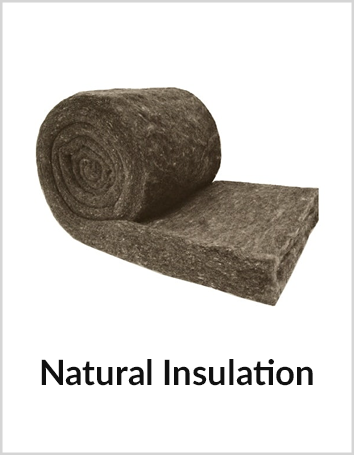
Insulation roll is typically manufactured from glass wool, mineral roll and natural products such as sheep’s wool. It’s very easy to fit into accessible spaces so it’s ideal for new builds and for retrofitting into loft spaces. Thanks to the fibres in most glass and mineral wool insulation roll you’ll need PPE gear to protect from inhaling fibres or getting the fibres in your eyes. Sheep’s wool and most other natural insulation roll types, however, are non-irritant so don’t require any protective gear.
Natural insulation roll is moisture-wicking too, so you don’t need to consider an air gap when insulating a wall with naturally made insulation roll.
Insulating a wall with insulation slab
You can easily insulate a stud wall built for solid wall insulation using insulation slabs, thanks to their semi-flexibility and rigidity. Insulation slabs fit snugly into 400mm and 600mm centres, allowing you to friction-fit them into a stud wall frame without any fixings. Simply push the slabs into place and then cover them with plasterboard.
There are many non-igniting and fire-rated options available in the form of insulation slabs, too. Therefore, using this insulation can provide a degree of safety and peace of mind for the whole family.
Insulating a wall with insulation board
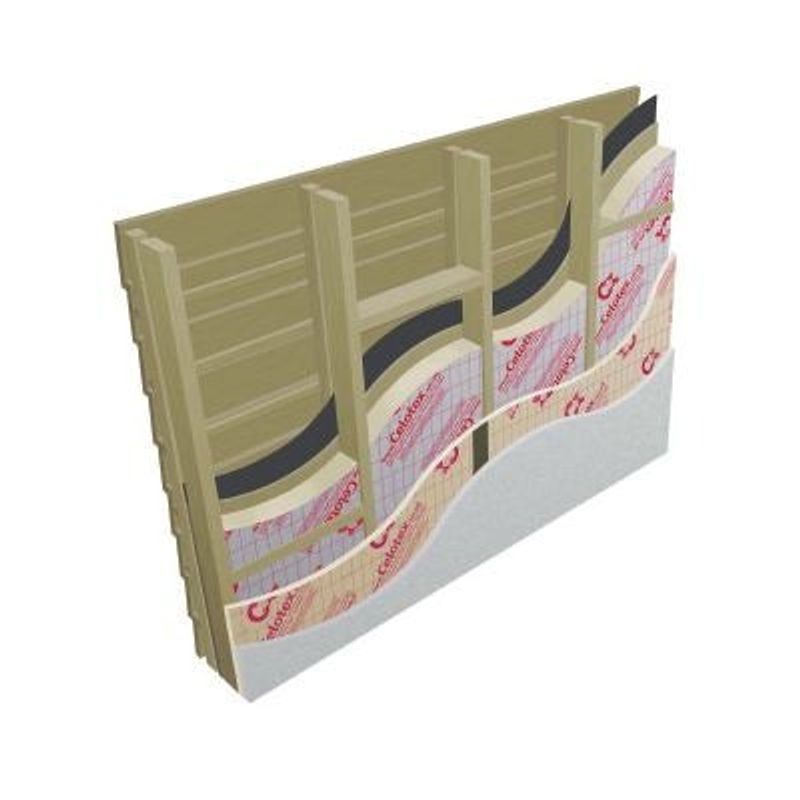
Insulation boards have long since been a staple in the insulation industry. There are now many options that boast eco-friendly credentials, thin build-ups and even additional fire-resistant and acoustic properties. Insulation board makes covering large areas a fast process. This is because they can be fixed in place and covered with plasterboard for a quick finish.
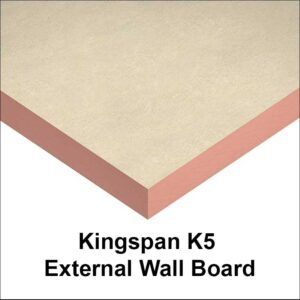
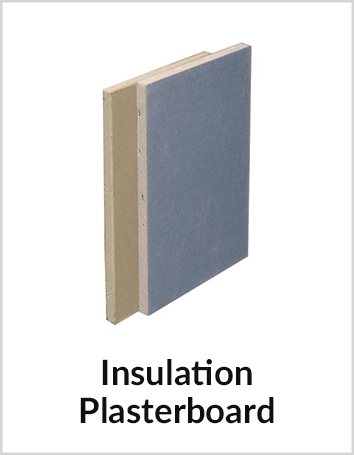
Insulated plasterboard also provides users with multiple benefits, as it combines insulation and the final plaster finish into one product. However, in solid wall constructions, achieving the desired performance values may require a thicker build-up, which can affect floor space. Overall, this can be an efficient method for time-saving when insulating a wall.
Here at Insulation Superstore, we have experienced advisors who can offer sound and sensible advice regarding your project. Trained by manufacturers with the technical knowledge required to assist you, contact our advisors with build specifications, a blueprint of what you’re looking to achieve, or even just a broad idea of what your aim is. Contact our advisors by using our live chat in the bottom right-hand corner or by phoning us on 01752 692 206.
Was this guide useful?
Mentioned in this project guide: