


Garage insulation is vital if you are converting your space. It can also be very useful if you want to reduce the energy needed to heat and cool your home, especially when you insulate parts of the garage that are attached to your home. What’s more, you can enjoy the benefits of hearing fewer garage noises inside your property, too. Another key benefit of garage insulation is that it could increase the value of your house.
So, with all of this in mind, if you’re looking to insulate your garage, read on to find out all of the insight we’ve compiled for you, from insulating a garage with cavity wall to external garage wall insulation, floor insulation and more.

Table of contents:
- Insulating a garage with cavity walls
- Insulating a garage with single breeze block walls
- External garage wall insulation
- Garage floor insulation
- What else can be done to insulate a garage?
Homeowners often insulate their garage because it shares at least one wall with the house, as shown in the picture below. Heat transfer can cause the rooms attached to the garage wall to lose their heat very quickly, increasing heating bills in the home and reducing the comfort of residents inside.
Are you insulating the garage to use it as extra living space? If you’re converting your garage from storage to a games room or cinema room, for example, you’ll need to insulate with further considerations to make the room as comfortable as possible.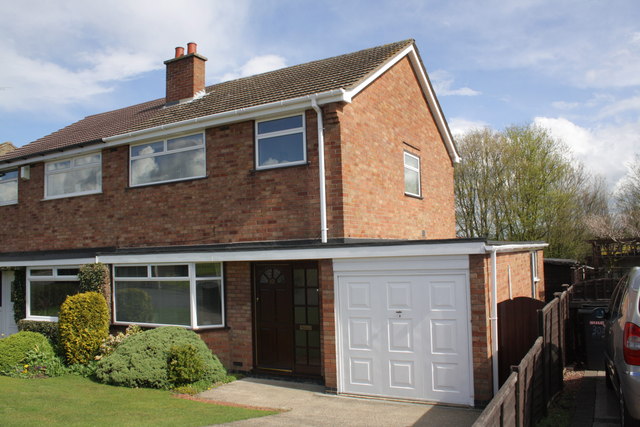
Cavity Wall Garage Insulation
Some homeowners are lucky enough to have garages which are ‘double skin’, featuring brick walls surrounding a breeze block structure which have an air gap usually 50mm or more in between. If this is the garage type that you have then insulating is unfortunately not a DIY job. You’ll need to get a professional to use specialist inspection equipment, known as a boroscope, to inspect the cavity. If the cavity is empty then certified professionals can insert blown-in insulation through small holes drilled into the mortar.
This is the only form of cavity wall retrofit. If the condition of the breeze block wall is less than satisfying you could carefully deconstruct it and insulate it against the brick before building another breeze block structure back up.
Breeze Block Garage Insulation
As previously mentioned, garages have two distinct makeups. In instances where the garage is just made up of a breeze block structure then you must take the approach of solid wall insulation as detailed here.
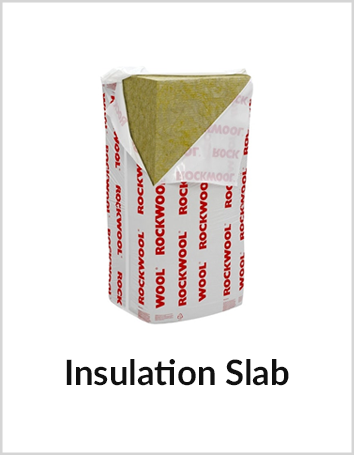
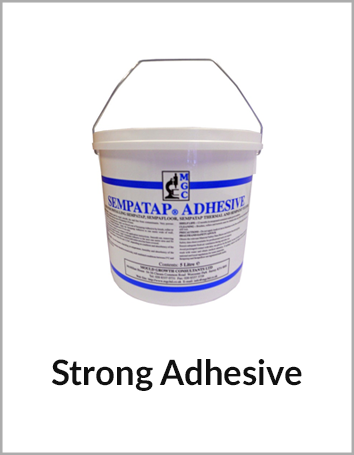
You could fit a timber frame to the inside of the garage walls and then fill these spaces with insulation slab. However, this can decrease floor space. Ultra-thin products that are specially designed for solid wall insulation, like Sempatap Thermal, are easy to apply. This is because they’re fixed with strong adhesive instead of nails or screws, requiring no new structure.

You can paste the 10mm thick Sempatap Thermal product on just like wallpaper and apply a coat of primer underneath it. The paste adhesive to the rolls of SempaTap Thermal and applyd with the foam side to the wall. Once you’ve smoothed this out with a spatula shown in the picture above, your garage walls are insulated!


External Garage Insulation
External garage insulation is possible if the garage is a separate entity from the home.
You can insulate a detached garage on the outside if it has enough space around it, including room on all sides that does not encroach on someone else’s land.
Fit external wall insulation to the garage’s outside breeze blocks, and then render it with a weatherproof finish. You can also add wooden shingles as cladding for an authentic, weatherproof garden building look, making it ideal for a workshop, garden studio, or outdoor games room.
Garage Floor Insulation
What else can be done to insulate a garage?
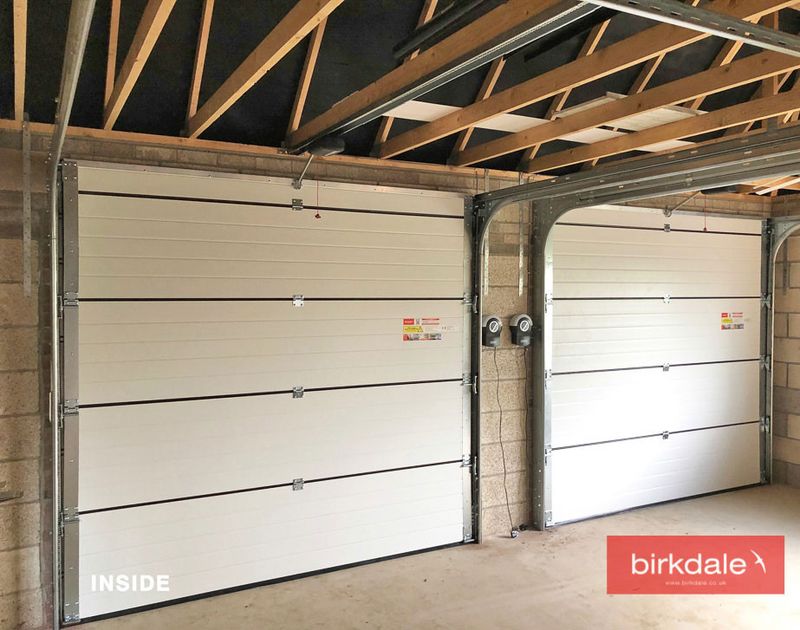
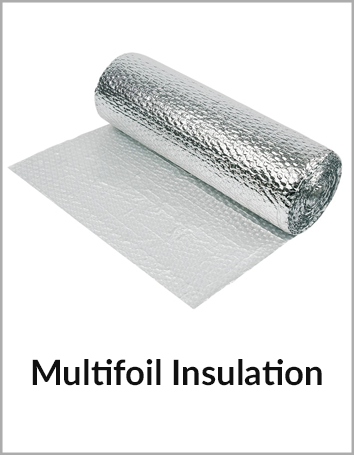
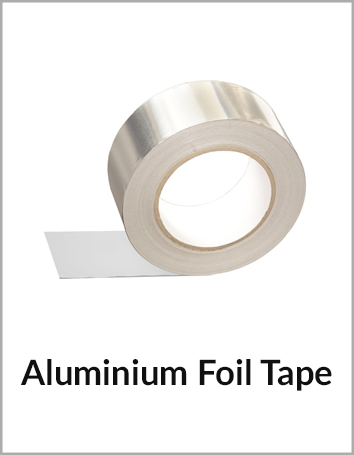
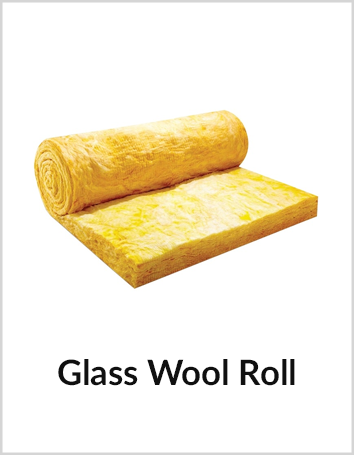
You’ve insulated the floors and walls of a garage. Now, you could always consider insulating the garage door. Just a thin layer will make all the difference to a cold, metal surface. Tape multifoil insulation to each internal section of the garage door using foil tape. If the sections in the door are particularly deep, you could use glass wool insulation here. Then, go over the insulation with multifoil and securing it all into place.
And that’s how to insulate a garage! You can now reap the considerable benefits. Insulating a garage provides temperature regulation. This makes it more comfortable for doing various activities year-round, such as workshops or home gyms.
Additionally, insulation helps to protect items stored in the garage from extreme temperatures, reducing the risk of damage or deterioration.
Please be mindful of any additional thickness given to the garage door if the garage door is an up-and-over style.
Please seek the advice and help of a professional insulation installer if you’re unclear on how to insulate a garage or if there are aspects of this DIY project that you are uncomfortable with. For installation and product advice from our helpline contact us on 01752 692 206.
Was this guide useful?
Mentioned in this project guide: