


Floor insulation is a super way to keep your property warm, while also being cost-effective in terms of your energy bills and the insulation you need to buy for your project.
When we think of the places that need underfloor insulation the most, bedrooms above garages and houses with basements or cellars are the most common examples. These types of spaces often mean the room above it has suspended floors, which means it’s typically very easy to install floor insulation in these rooms.
On a wider scale, other rooms in the home, can and often need to be insulated too.
In our helpful guide, we’ll walk you through all of the essential information you need to know about insulating a floor.
So, whether you need floor insulation boards, suspended floor insulation or even concrete floor insulation for your project, we’ve got you covered.
Table of contents:
- Floor insulation for suspended floors
- Floor insulation for solid floors
- Insulating a concrete floor
- Installation tips for insulating a concrete floor
- Final thoughts
Floor insulation for suspended floors
To identify if you have a suspended floor you need to assess whether there is a void beneath your floorboards and the floorboards themselves are resting over joists. This void can cause significant heat loss if you do not address it. Filling it with floor insulation, such as insulation rolls or boards, can reduce household bills and make your home more comfortable.
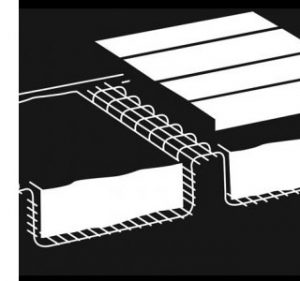 Suspended floor insulation is the easiest to fit when there is a cellar or basement beneath the property.
How to lay suspended floor insulation
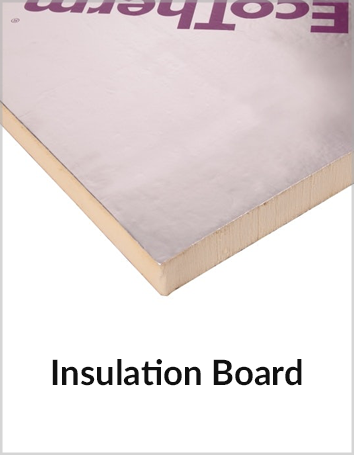
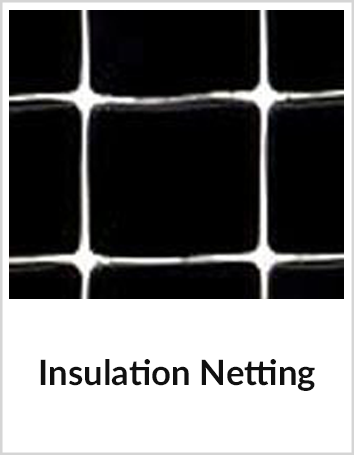
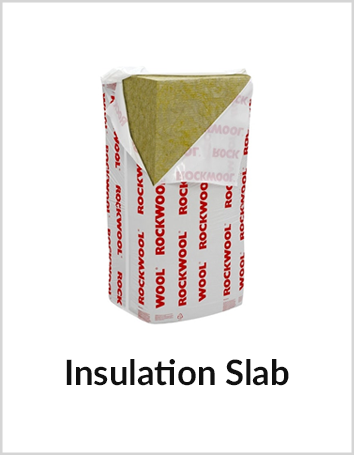
Create easy access to the void below the joists so you can fix insulation in place. You can friction-fit insulation slabs or boards into the joists to keep them secure, while rolling out insulation netting and fixing it at each joist for extra support.
By pulling the netting taut and packing the insulation tightly into the space, you can reduce heat loss through the floor without lifting a single floorboard.
If your home does not have a basement or cellar but features a suspended floor, you must lift the floorboards and any floor finishing. Because emptying a room of furnishings is a big task, we recommend doing this alongside other major jobs like plastering or painting.
Like insulating a floor where a basement or cellar provides access to the joists, you need to lift the floorboards and put them to one side before laying rigid insulation boards in the joist spaces. Cut each piece of insulation board to just slightly smaller than the joist space you’re going to fit it into, this will provide friction for a tight fit, so no air can escape through the side gaps.
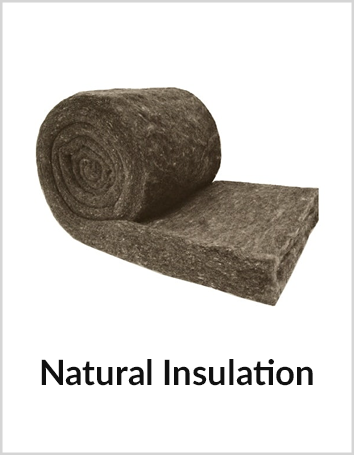
You can use insulation roll like popular natural insulation sheep’s wool by fitting inexpensive insulation netting underneath the joists as in the picture to the right. Drape the netting as low as needed to accommodate the thickness of the insulation roll then roll the insulation out, as usual, taking care to make sure it extends to the width of the joists.
Please be aware of airbricks in the outside walls. Floorboards will rot if airbricks are covered as there will be no ventilation! These should be at least two inches below the bottom of the insulation before the hardcore.
Floor insulation for solid floors
Solid floors, in theory, shouldn’t need as much insulation as suspended floors as they’re thicker and harder for heat to escape through. Stone floors can be as much as 50cm thick in old builds! However, you can still lose some heat through these types of floors so it’s good to assess the options and weigh up the benefits of a warmer, more efficient floor.

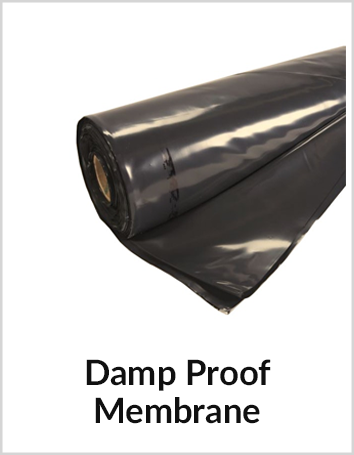
Obviously, with a solid floor, you’re unable to remove the floor to insulate so the only method of insulating a floor is to layer up. It’s advisable to install a damp proof membrane between the solid floor and the insulation to ward off any unwanted moisture. Wet insulation is even more inefficient than no insulation at all!
You can reduce echoes and airborne noise in spacious buildings with solid walls, such as older churches that need insulation or are being converted, by using specialist build-ups with acoustic matting and underlays.
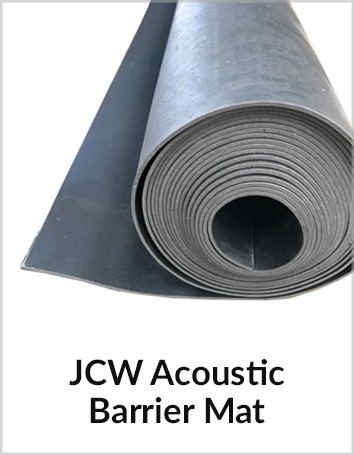
For example, after you lay the insulation board across a solid floor, install a 1.2mm-thick layer of acoustic barrier mat, followed by a 9mm-thick layer of acoustic MDF sheet. This reduces airborne noise and echoes while adding only 10.2mm to the floor thickness.
One thing that’s very important to consider is the floor level. With a minimum of three layers going on top of the existing solid floor, that can impact the height of the internal floor and affect other fixtures and fittings. It may be appropriate to trim doors to size and to employ an electrician to raise electric sockets.
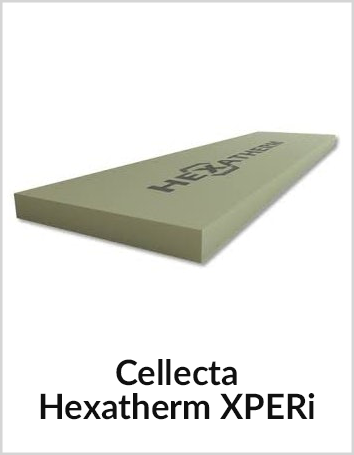
Insulating a concrete floor
When building or renovating a new space, insulation should always be considered. From preventing damp to reducing heat loss and aiding with noise dampening, below-grade insulation is always important.
When it comes to insulating a concrete floor, there are a number of options available to you, and each brings its own advantages to keeping your home warm. Here at Insulation Superstore, we have a wide range of insulation products available, all at our famously competitive prices.
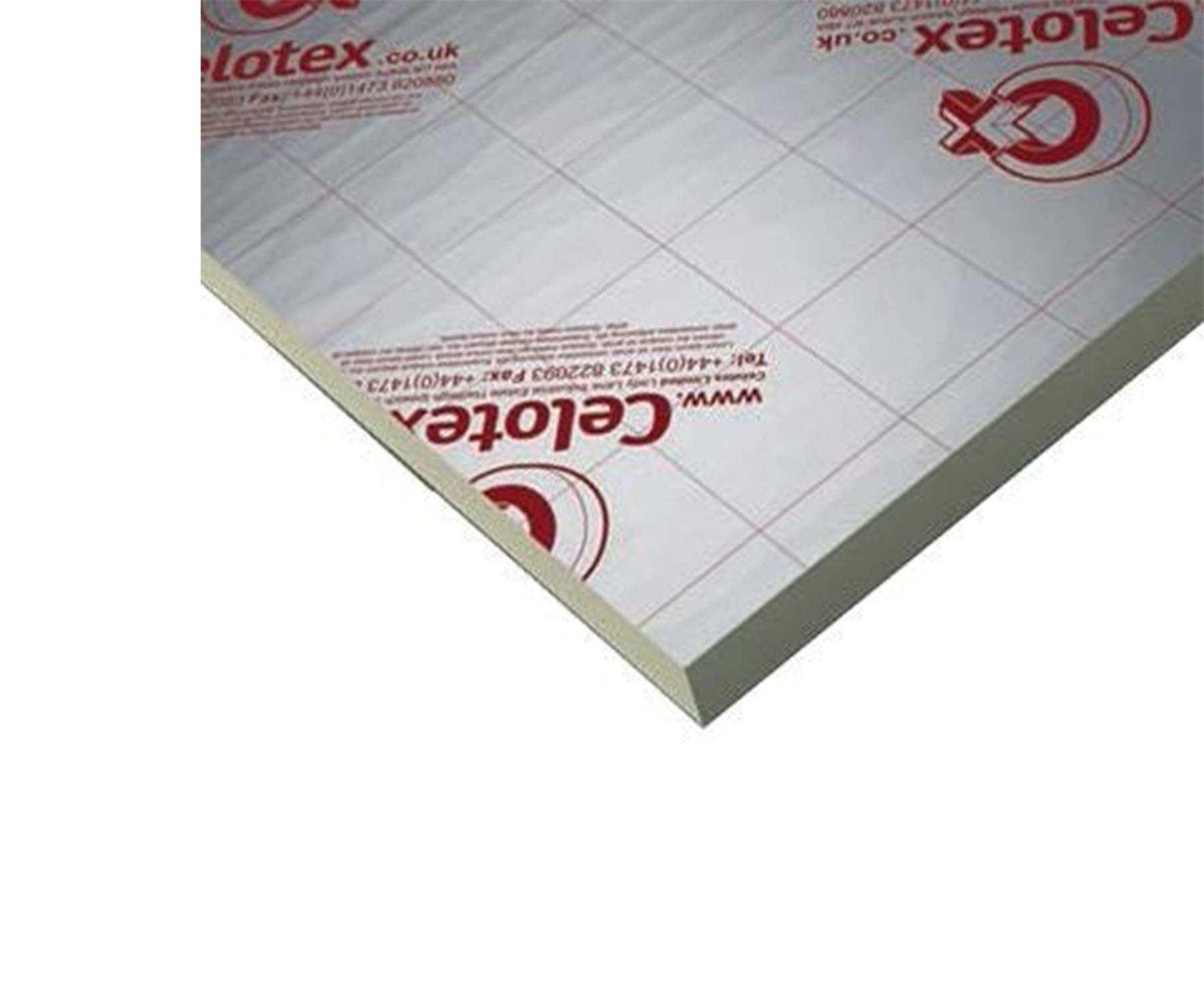
PIR boards
PIR boards are one of the most popular forms of insulation available. Polyisocyanurate (PIR) boards are generally made from a foam-type material, and used in the form of a rigid board.
PIR boards come in a range of forms. For example, they can be bonded to plywood for use on timber flat roofs, bonded to OSB board for decking and new flat roofs, or bonded to plasterboard for faster wall insulation.
The most popular form of PIR board, especially for insulating a concrete floor, has two aluminium foil facings. These facings provide extra insulation and improve thermal retention.
PIR boards are also incredibly easy to install – they can be cut and shaped easily and are relatively lightweight. Take a look at our range of PIR boards from Celotex, the UK market leader in high-performance PIR insulation.
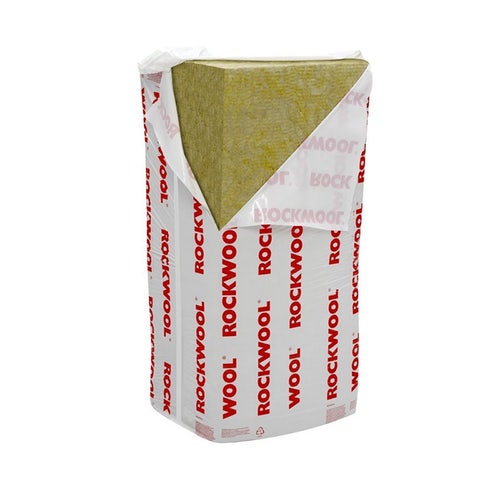 Insulation slabs
Insulation slabs are a more flexible material with good insulation properties and are used in a wide range of applications. They are typically highly dense, yet easy to cut and lightweight. They reduce heat transfer by trapping it within the structure.
People often choose insulation slabs for concrete floors because you can easily install them within a timber framework or directly on top of the concrete floor.
Here at Insulation Superstore, we have a range of different insulation slabs, from brands such as Rockwool and Knauf. Each brand has used the latest technology and development to create a product that is high-performing yet practical and easy to install.
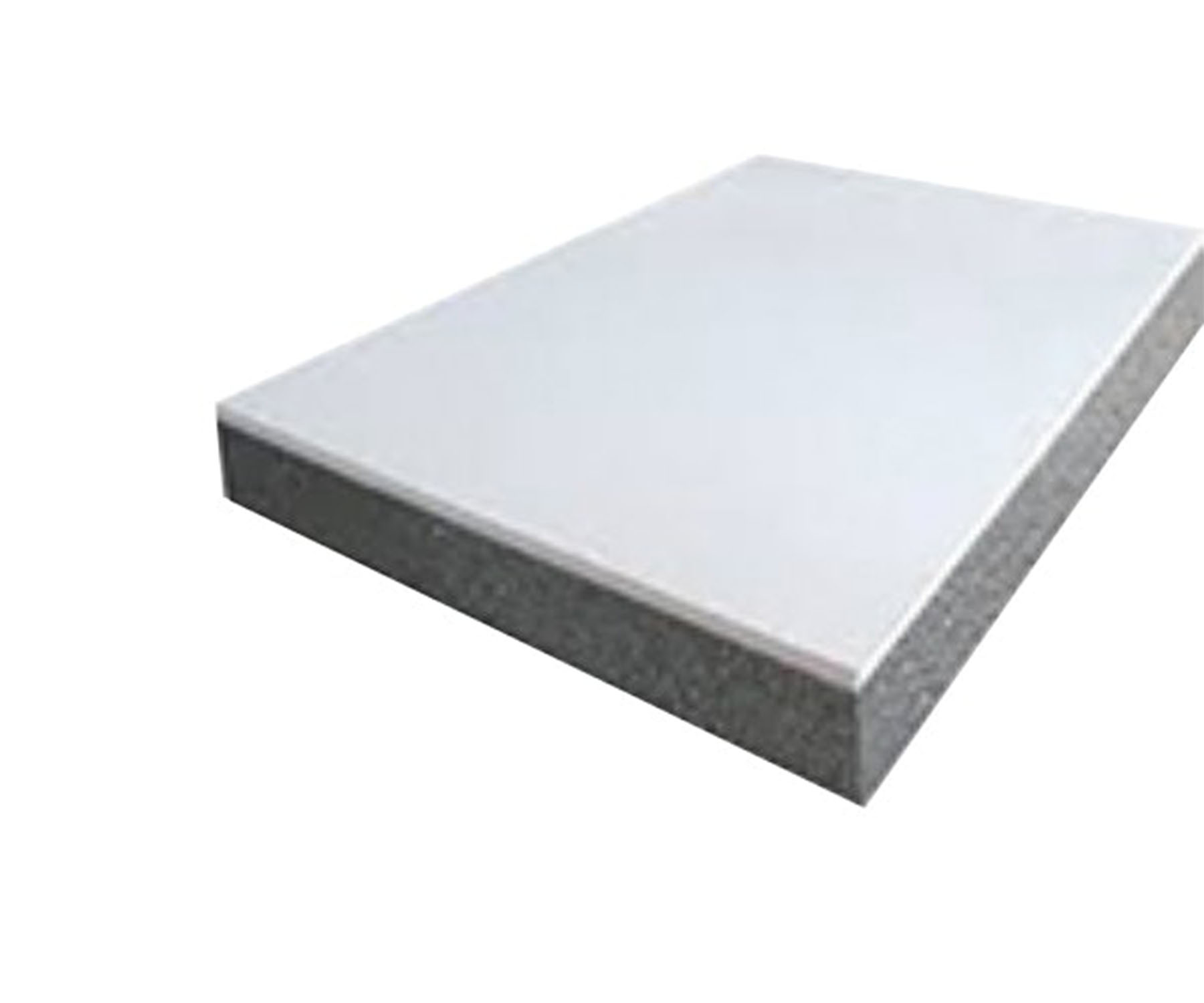 EPS
EPS
Expanded Polystyrene (EPS) is a form of insulation that is manufactured using beads of foam. The beads are exposed to heat, which causes them to expand and bond together. This creates a closed-cell structure, which creates a consistent layer resulting in a constant level of insulation across the whole floor.
EPS is a good choice for insulating a concrete floor because it has a long-term R-value, alongside a consistent level of thermal resistance, and it is produced in easy-to-manage sheets to allow easy installation.
Insulation Superstore offers EPS from brands such as Styrene and Jablite, market leaders in the EPS insulation industry.
 XPS
XPS
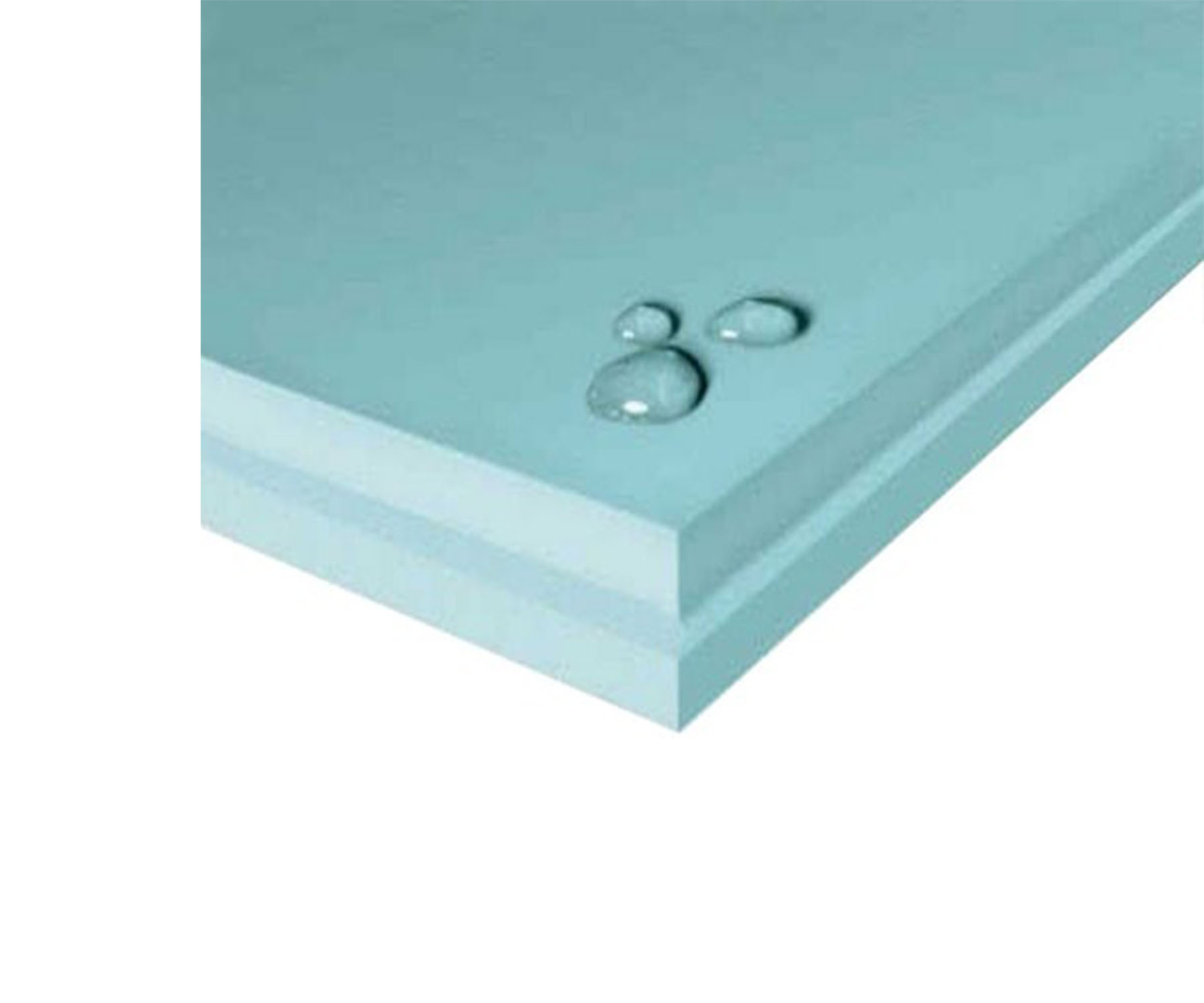
Extruded Polystyrene insulation is a form of insulation that is manufactured using an extrusion process.
This creates a closed-cell structure with a smooth surface on the top and bottom. It also prevents water from penetrating the insulation board.
XPS is generally better suited for insulating a concrete floor than EPS because it is more vapour resistant and denser, which provides extra stability. However, XPS is more expensive, so people on a budget often choose EPS instead.
Installation tips for insulating a concrete floor
When insulating a concrete floor, we’d always recommend installing a damp proof membrane, between the solid floor and the insulation.
When installing insulation on a concrete floor, the insulation can either go above or below the concrete.
Insulation above a concrete floor
Installing insulation above a concrete floor is beneficial during a renovation. This is because you can place it directly on the floor without excavating or relaying the floor. Additionally, insulation that is above a concrete floor will regulate the room temperature more quickly.
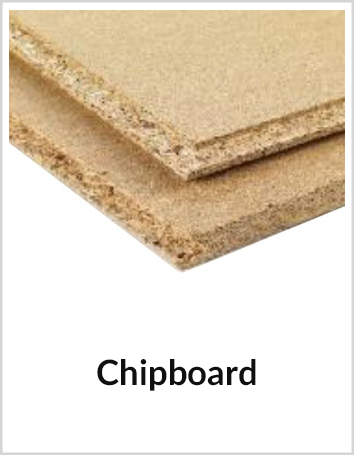
When installing insulation on top of the concrete floor, the most common method of installation is as follows. Lay the damp proof membrane onto the concrete, followed by the insulation. Then lay moisture-resistant chipboard, or a concrete screed to the top, which can then be covered by the flooring to finish. 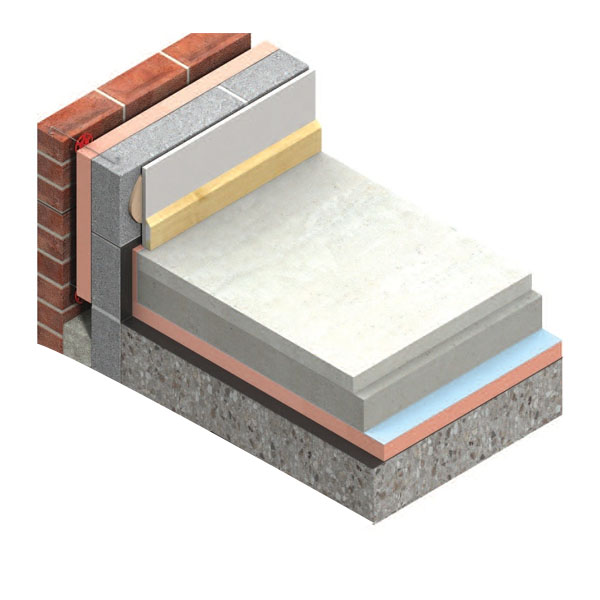
Insulation below a concrete floor
Generally, if possible, insulating concrete below the concrete floor is the best form of installation. This is because the concrete helps to absorb the heat much better, whilst also preventing the room from overheating.
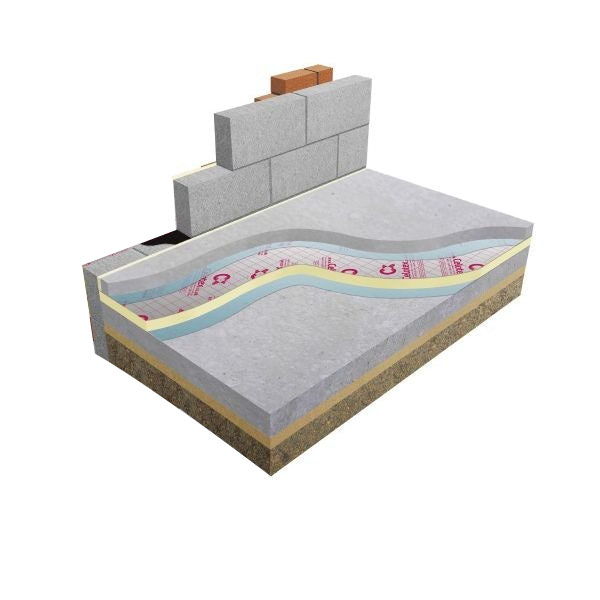
When installing insulation below the concrete floor, the most common method of installation involves the following steps.
Firstly, there is a form of infill over the surface. This could be sand, which will prevent anything from puncturing the next layer.
Next, lay a damp proof membrane over the sand, which will create an airtight membrane.
The next step is to lay insulation, followed by concrete.
Finally, you can lay the flooring on top.
Final thoughts
Insulating a floor can vary in difficulty. This depends on access, existing flooring and the type of insulation you use.
In some cases, it may require lifting floorboards or working in confined spaces, which can make the process more challenging.
What’s more, ensuring proper insulation installation, including sealing gaps and joints for airtightness, requires attention to detail.
Still, with proper planning and the right tools and materials, insulating a floor can be a manageable DIY project.
Now that you have a general understanding of how to insulate a floor, you’re in a good place to consider the project.

Was this guide useful?
Mentioned in this project guide: