


Solid wall insulation is a layer of insulating material found on either the inside or outside of your home. Installing solid wall insulation is an effective way to improve the insulation of your property and reduce heat loss, which helps to keep energy bills down.
You might be wondering how you can tell if you have solid walls. They come in various forms. Two of the most common ways to tell if your home has solid walls is if your home was built before 1920, or if the walls are less than 260mm thick.
With this in mind, we’ll be covering the popular query – what is solid wall insulation? – as well as diving into the different options that are available when looking to insulate a solid wall.
Table of contents:
- Solid walls vs cavity walls
- Internal insulation on solid walls
- External insulation on solid walls
- Final thoughts
Solid walls vs cavity walls
Solid walls are external walls of a building that have no cavities or gaps. Walls built before the 1920s are generally solid walls, whilst walls built after this time are typically cavity walls, made up of two layers with a cavity between them.
Originally, cavity walls were designed to prevent rainwater from seeping through the walls and into the building. But in the last couple of decades, installers have been filling the cavities with insulation to help improve temperature regulation inside the building. Solid walls do not contain cavities, and the insulation alternatives are outlined below.
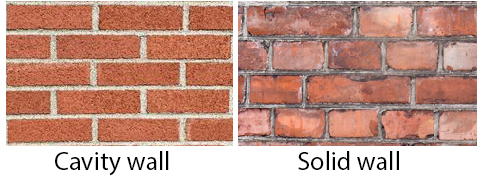
Generally, you can tell the difference between solid walls and cavity walls when looking at the brickwork (if the building hasn’t been rendered). Cavity walls have bricks laid lengthways with an even staggered pattern, whilst solid walls have a brick pattern where bricks are laid both lengthways and across the width of the wall.
Several different forms of insulation can be used with solid walls. You can insulate solid walls either from the outside or the inside, both of which have their benefits.
 Internal insulation on solid walls
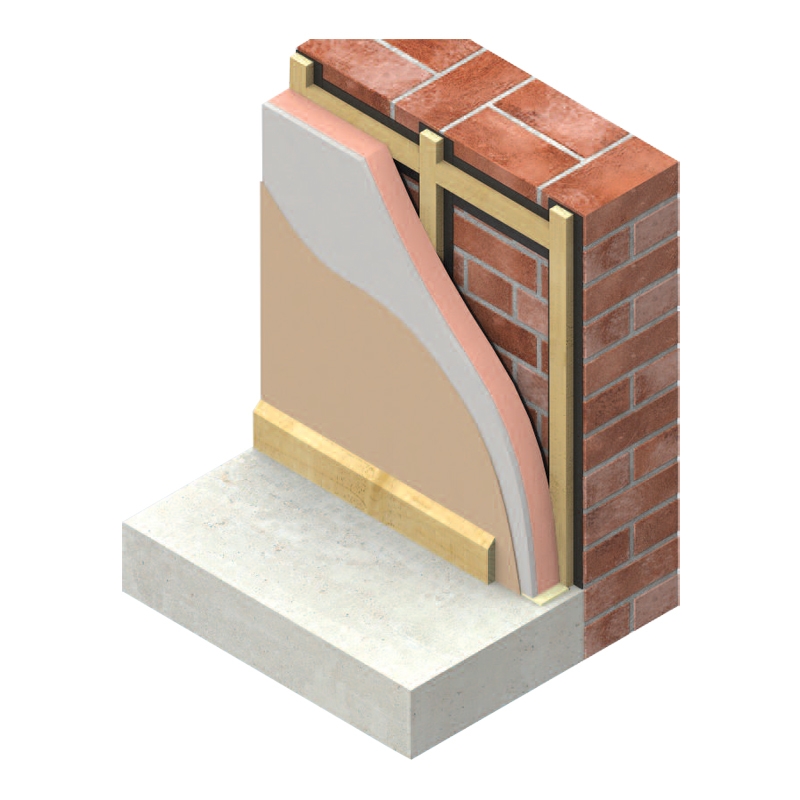
You can insulate solid walls internally by applying rigid insulation boards to the existing wall. Alternatively, you can create a stud wall, where you’d insert either sheep’s wool insulation, or mineral wool.
The installation of internal insulation on solid walls is generally cheaper than the cost of installing external insulation, which is a big draw. Additionally, you can fit internal insulation on solid walls room by room, making it manageable and easier to plan.
However, installing internal insulation can be quite a disruptive process, as you will need to clear each room before beginning work. You’ll also need to remove and reattach skirting boards, door frames and other fittings. Additionally, internal insulation decreases the usable area of each room by increasing the thickness of the wall.
It can also make hanging shelving units, pictures and other furniture quite challenging. This is because insulation boards and stud walls are not designed to hold the weight of heavy items.
External insulation on solid walls
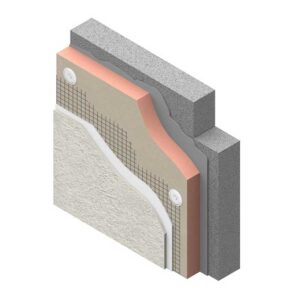 External insulation on solid walls involves applying insulation boards to an external wall, and covering it with render and reinforcing mesh. You can even add cladding in some cases. Find out more about how to install external insulation in our guide to external wall insulation.
You can install external solid wall insulation without any real disruption to the building. Although pipework will need removing or extending, you can install temporary downpipes. So, business can continue as usual.
By applying external insulation to your solid walls, not only are you improving the insulating qualities of the wall, but you are also creating a weatherproof barrier that not only protects the brickwork and reduces potential draughts, but also extends the lifespan of the walls and improves sound insulation. Additionally, external insulation can reduce internal condensation and help prevent damp from occurring.
Another benefit of external insulation is that it does not reduce room space or usable floor space within the home or building.
However, in some cases, you may need to get planning permission for external wall insulation. The downside is that this can be time-consuming and could be rejected. Furthermore, if the walls are at all damaged or structurally unsound, external wall insulation will not be suitable.
In other cases, external solid brick wall insulation may not be suitable, such as if you are insulating a flat – the whole building would need external wall insulation, and you may not have permission to do so.
Additionally, it will completely transform the appearance of the exterior of the building, so if you have an exposed brick exterior that you love, you may not want to cover it with insulation board and render.
Final thoughts

Solid wall insulation presents a crucial solution for improving energy efficiency and reducing heat loss in homes, particularly older ones.
The good news is:
Whether applied internally or externally, solid wall insulation offers distinct advantages. Internal insulation, while generally cheaper, can disrupt living spaces and reduce room area, posing challenges for fixture installation.
On the other hand:
External insulation not only enhances insulation properties but also provides a weatherproof barrier, prolonging the lifespan of walls, improving sound insulation and preserving internal space. However, external insulation may require planning permission and could alter the building’s appearance significantly.
Bottom line:
Ultimately, the choice between internal and external insulation depends on factors like cost, disruption tolerance and aesthetic preferences, with both methods offering tangible benefits in enhancing home comfort and energy efficiency.

Was this guide useful?
Mentioned in this product guide: