

The focus on climate change and global warming is now more important than ever. It can be said that we all try our best to engage in environmentally friendly ways of living, and most of us are familiar with things like recycling, using reusable shopping bags, and cutting down on single-use plastics. It is now so easy to achieve sustainable living in our everyday habits, but did you know it can be just as simple, and even cost-effective, when it comes to renovating your home?
This guide will teach you eco friendly tips and tricks when it comes to upgrading your insulation. Practising sustainability when choosing which type of insulation you have not only enhances the comfort of your space but also contributes to small changes that can make a big difference for your house, the planet, and even your wallet.
Table of contents
- What is sustainable insulation?
- How can I sustainably renovate my house using insulation?
- Energy efficiency
- Renewable and recycled materials
- Installation and placement
- Sustainable materials
- Final thoughts
What is sustainable insulation?
Installing sustainable insulation involves adopting design practices and utilising materials that minimise environmental impact while improving the functionality of your property. This approach encompasses a range of strategies, from energy-efficient upgrades to recycled or recyclable materials and energy efficient construction techniques.
From installing renewable materials to choosing where your insulation is placed, deciding to upgrade your property in an environmentally conscious way contributes to a greener home and a sustainable future.
How can I sustainably renovate my house using insulation?
Starting your sustainable renovation journey involves making environmentally conscious choices throughout the process. Insulating your property is key to an eco friendly house.
Proper insulation is essential for maintaining a comfortable indoor environment and reducing energy consumption. For enhanced energy efficiency throughout your home, insulating your floors, roof, loft, walls, pipes, radiators, and hot water tanks will ensure minimal heat loss, saving you from costly energy bills. There are three major factors to consider when it comes to sustainable insulation: energy efficiency, renewable and recycled materials, and installation and placement. We’ll go through each one and why it is important to maintaining an eco-friendly home.
Energy efficiency
Having an energy efficient home doesn’t just mean installing the right insulation. You need to consider keeping your property airtight as a whole – insulation alone often won’t make this as optimised as possible. It also doesn’t have to be difficult either, as there are simple improvements you can make before choosing which insulation is the most sustainable.
Start by filling cracks and gaps. This simple task is incredibly effective as it cuts off the main access points for cold and warm air coming in from outside. People don’t often realise the impact that these small spaces can have on the indoor temperature of your home. Common gaps include around window and door frames, pipework, lofts, and skirting boards. Use eco-conscious fillers made from acryclic or natural lime if you really want to do your bit for the planet. Using draft excluders around doors is also incredibly effective. This simple step can help reduce your total energy loss by up to 25% before you’ve even thought about insulation.
Another way you can achieve optimum energy efficiency is through proper ventilation. You may be thinking this is the opposite to air-tightness, but it is important to maintain a balance between these two things. Ventilating your home when it becomes damp and warm helps protect against mould and rot building up inside walls, floors, ceilings – and even behind insulation. This happens when hot air, like steam from showering or cooking meets a cold surface like a wall, creating condensation. This moisture can lead to nasty mould and rot.
Simply having well-functioning windows and air vents is an integral foundation for having a well-insualted home that is also sustainable. This is because if ventialtion is poor, the insulation cannot perform at its best as it is likely to become damp. Insulation that is not completely dry conducts heat much better, leading to more heat loss in your property as it cannot ‘block’ the flow of heat. For even more protection, adding a vapour permeable membrane to your property will also help moisture escape and still keep rainwater at bay.
Renewable and recycled materials
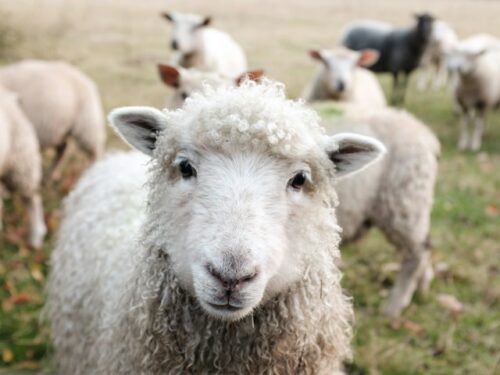
Ensuring your insulation is made from renewable, recycled, and recyclable materials is probably one of the easiest methods of sustainably upgrading your property. Of course, there are many different types of insulation made from different materials to choose from. But which are the most eco-conscious? Natural insulation, such as sheep’s wool and hemp, fit the brief perfectly here. This is because they are renewable, meaning they can easily be reproduced, unlike fossil fuels which will eventually run out completely. They are also biodegradable, so they break down naturally unlike some plastics which, if they aren’t recycled, end up going to landfill sites where they are left to pollute the planet.
Another sustainable option is using recycled materials such as cellulose, which is made from recycled paper. This kind of insulation is incredibly eco-friendly as it creates less demand for new products being mass-produced; reusing existing materials and continuing this cycle leads to less waste or discarded material ending up in landfill. If you’re looking for insulation board, a sustainable brand to consider is EcoTherm. Their PIR board is made from recyclable materials, can be recycled, and is produced to reduce carbon emissions. All of these types of insulation still maintain excellent thermal performance.
Installation and placement
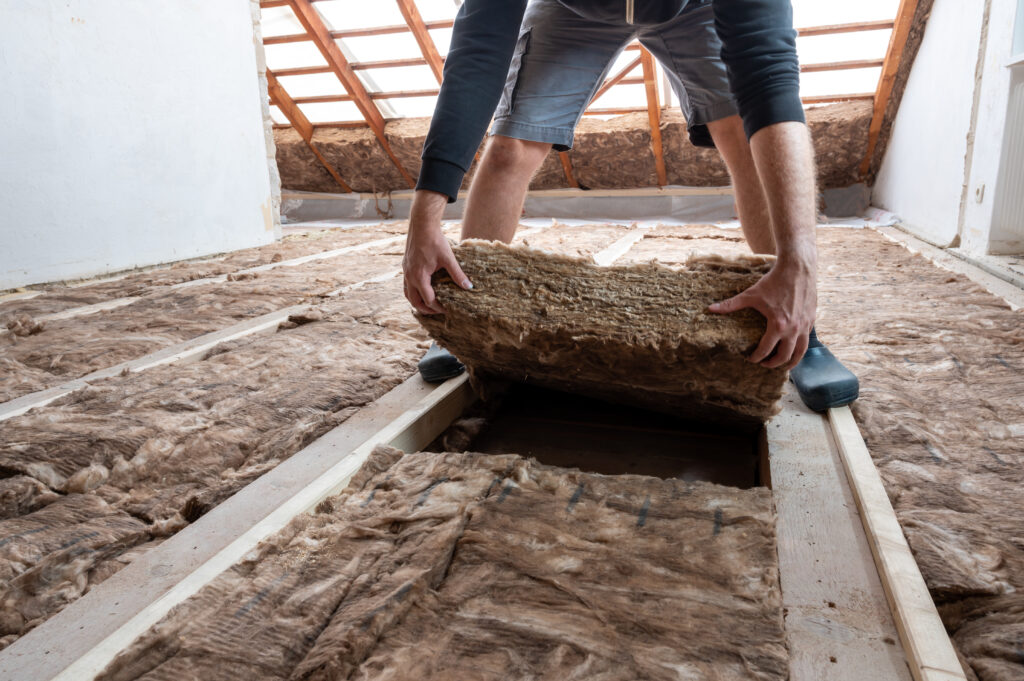
Sustainability isn’t just about the materials you use, it’s how you use them. The best place to start is areas that are prone to the most heat loss, which are roofs and lofts. Up to 30% of heat is actually lost through uninsulated lofts, so even if this is the only area you insulate, just know that it has maximum efficiency. It is also the most cost-effective and easiest area in which to install new insulation.
Placement of your roof and loft insulation is crucial for retaining heat and reducing energy loss. For pitched roofs, consider installing insulation between and over the rafters or using insulation boards beneath the roof covering. In flat roofs, insulation can be installed above the ceiling or within the roof structure.
This is because you are directly preventing easy access points for cold air to come in, so just by installing the insulation in the right places and letting it do its job, the need for gas or electric heating systems is minimised significantly. Not only will this improve your carbon footprint, but it will also save you money in the long run. Another bonus is that it helps keep you cooler in the summer months, as it keeps warm air outside. This means you won’t need to rely on air conditioning units and electric fans, which would otherwise increase your energy consumption.
Sustainable materials
Choosing sustainable materials for other home renovation projects is a conscientious choice and a step towards creating a healthier living environment while promoting environmental responsibility. Let’s explore some eco-friendly options in more detail:
Low-VOC paints
Volatile organic compounds (VOCs) are harmful chemicals found in many traditional paints that can off-gas into the air, contributing to indoor air pollution and potential health issues. Opting for low-VOC paints reduces exposure to these toxins, improving indoor air quality and creating a healthier living space for you and your family.
FSC-certified or recycled timber
The Forest Stewardship Council (FSC) certification ensures that timber is sourced from responsibly managed forests, promoting sustainable forestry practices and biodiversity conservation.
Alternatively, using recycled timber helps to reduce demand for virgin wood and minimises deforestation, making it an eco-friendly choice for construction projects.

Hempcrete
Hempcrete is a bio-composite material made from hemp fibres and lime, offering excellent thermal insulation properties and carbon sequestration benefits.
Bamboo
Bamboo is a rapidly renewable resource that can be used for flooring, decking, and structural elements.

Sustainably harvested cork
Sustainably harvested cork is a renewable and biodegradable material commonly used for flooring, wall coverings, and insulation.
Final thoughts
Embarking on a journey to create a sustainable and eco-friendly home is a rewarding endeavour that offers numerous benefits for both homeowners and the environment. By incorporating environmentally friendly practices and technologies into upgrading or installing insulation, you can reduce your environmental footprint, lower energy bills, and create greener and healthier living environments for yourself and future generations.
There are countless ways to make a positive impact on the environment while enhancing comfort and functionality at home. Together, let’s strive to create homes that are not only beautiful and comfortable but also environmentally responsible and resilient, leaving a lasting legacy of stewardship and sustainability.